



A cast iron skillet is one of the most beloved pieces of cookware in any kitchen. It’s tough, versatile, and when treated right, it can last for generations. But keeping it in great shape requires a little bit of know-how. Unlike stainless steel or non-stick pans, cast iron needs special care to keep it from rusting or losing its non-stick surface.
One of the easiest, most effective ways to clean it is with two simple ingredients you probably already have at home salt and oil. This method is gentle on the skillet’s seasoning and removes stuck-on bits without using soap or water that could strip away its protective layer. In this article, we’ll walk you through exactly how to clean a cast iron skillet with salt and oil, why it works, and some extra tips to keep your pan in top condition.
Why Cast Iron Needs Special Care
Cast iron is unique. It doesn’t have a chemical coating like non-stick pans, and it doesn’t behave like stainless steel. Instead, it has something called “seasoning.” This is a layer of polymerized oil that bonds to the surface of the pan during cooking or when you oil and heat it deliberately.
This seasoning protects the skillet from rust and gives it a naturally non-stick surface. If you clean it the wrong way for example, by scrubbing it with soap, soaking it in water, or putting it in the dishwasher you risk removing the seasoning and leaving the iron exposed. That’s why gentle, oil-based cleaning is so important.
The Salt and Oil Cleaning Method
Cleaning a cast iron skillet with salt and oil is a tried-and-true method used by home cooks and chefs all over the world. It’s simple, fast, and keeps your seasoning safe. Here’s what you’ll need and how to do it:
What You’ll Need:
- Coarse kosher salt (avoid fine salt for scrubbing)
- A small amount of cooking oil (vegetable, canola, flaxseed, or grapeseed oil works well)
- A soft cloth, paper towel, or non-metal scrub pad
- A wooden spoon or spatula (optional, for loosening stuck food)
Step 1: Let the Skillet Cool (But Not Completely)
After cooking, let your cast iron skillet cool slightly. You don’t want it to be blazing hot, but it should still be warm. Warmth helps loosen stuck-on bits and makes the cleaning process smoother.
Step 2: Remove Food Bits
Use a spatula or wooden spoon to scrape away any large pieces of food. Do this gently, you don’t want to dig into the seasoning.
Step 3: Add Coarse Salt
Pour about two tablespoons of coarse kosher salt into the skillet. The salt acts like a mild abrasive. Unlike steel wool or harsh scouring pads, it won’t damage the seasoning. Instead, it gently lifts off food and oil residue.
Step 4: Pour in a Little Oil
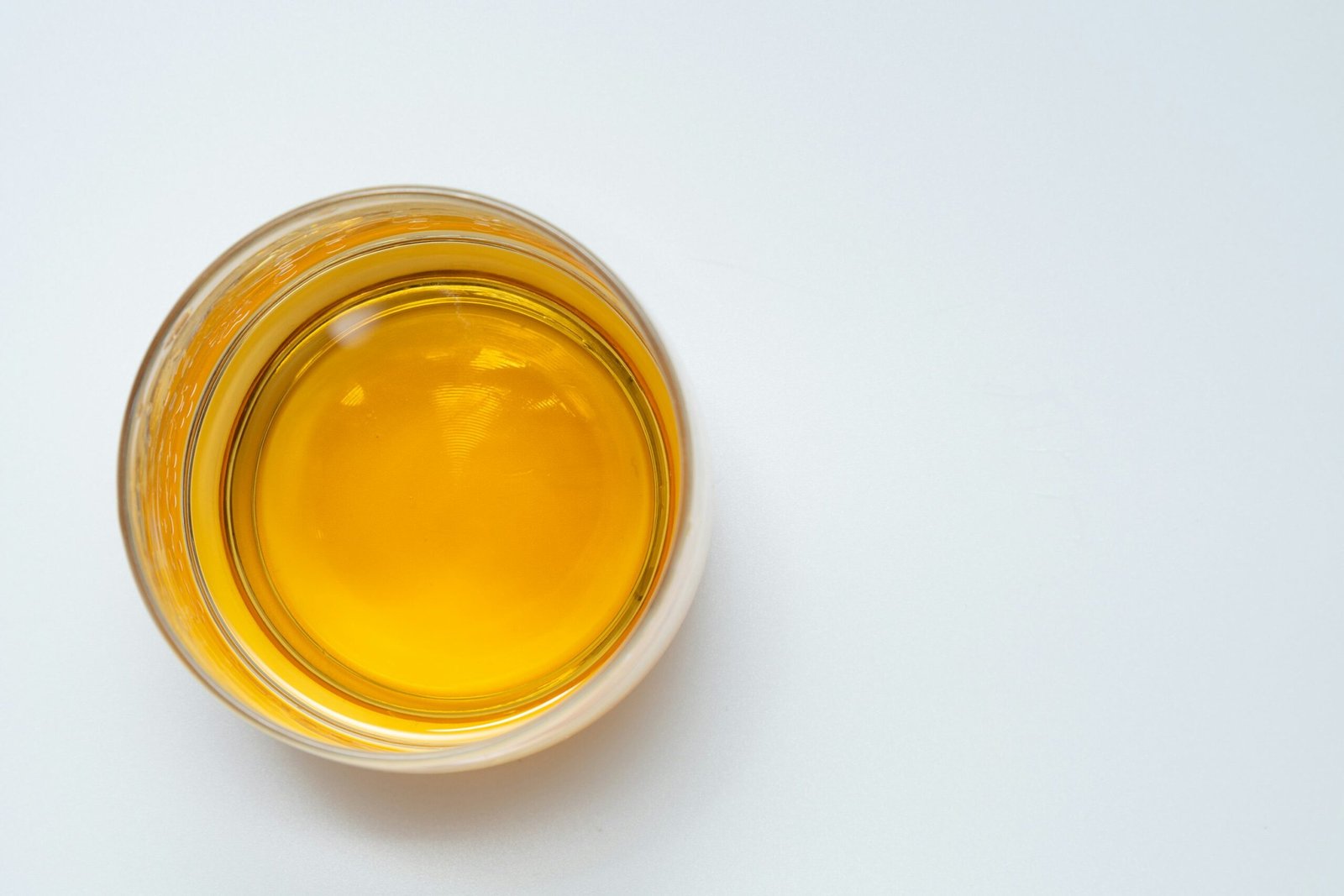
Add a small splash of your chosen cooking oil into the skillet, just enough to make a paste with the salt. This helps dissolve grease and makes it easier to scrub away stuck-on bits.
Step 5: Scrub Gently
Using a folded paper towel or soft cloth, scrub the skillet in a circular motion. Focus on areas where food is stuck. The salt and oil mixture will absorb leftover bits while keeping the seasoning safe.
If the food is stubborn, you can use a non-metal scrub pad, but avoid anything too rough.
Step 6: Wipe It Clean
Once you’ve scrubbed the entire surface, use a clean paper towel or cloth to wipe out the salt and oil mixture, along with any food residue. Your skillet should now be clean, smooth, and still well-seasoned.
Step 7: Re-Oil (If Needed)
Sometimes, cleaning can remove a bit of oil from the surface. To keep your skillet in good condition, add a very thin layer of oil and spread it evenly with a paper towel. Wipe off any excess so the surface isn’t greasy. This step helps maintain the seasoning and keeps rust away.
Why Not Use Soap or Water?
Many people wonder why soap or water can be harmful. The truth is, a small splash of water won’t instantly ruin your skillet, but soaking or using dish soap regularly can strip away the seasoning.
Water leads to rust. Soap cuts through oils, including the ones that form your protective layer. That’s why salt and oil are so perfect for cleaning cast iron. They clean effectively without damaging what makes cast iron special.
Common Mistakes to Avoid
- Avoid soaking: Never leave your skillet sitting in water. Even a few hours can cause rust.
- Skip the dishwasher: High heat, detergent, and soaking water are a triple threat to cast iron.
- Don’t use metal scouring pads: They can scratch away the seasoning.
- Avoid acidic foods right after seasoning: Tomatoes, vinegar, or lemon-heavy dishes can break down fresh seasoning if it’s not fully set.
Long-Term Care Tips for Cast Iron Skillets
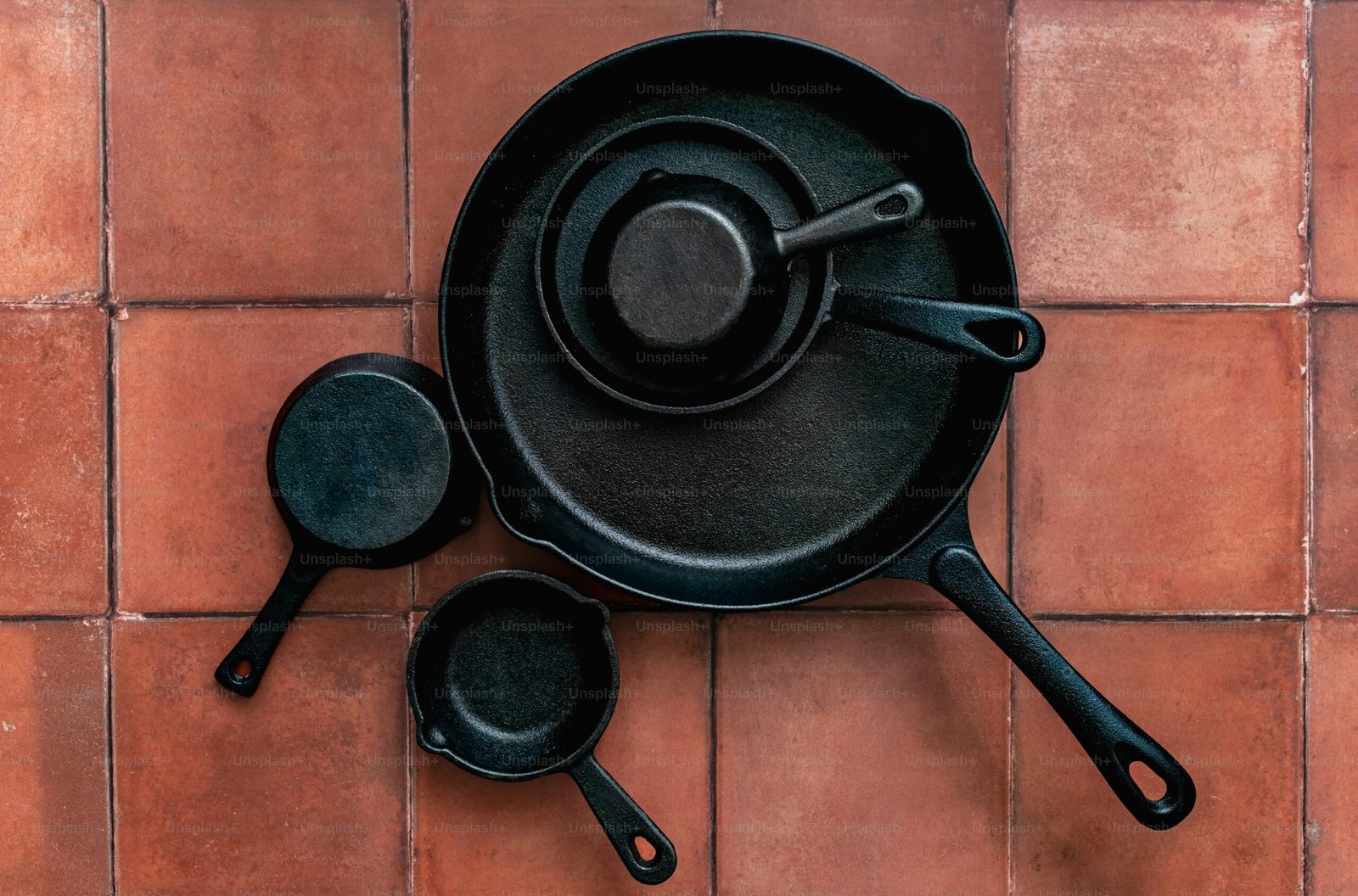
Cleaning your skillet with salt and oil is great for day-to-day care, but a few extra habits will help your skillet last decades:
- Season it occasionally: Apply a thin layer of oil and bake it in the oven at 450°F for about an hour to refresh the seasoning.
- Store in a dry place: Moisture is the enemy. If you live in a humid area, keep a paper towel inside the skillet to absorb moisture.
- Use it often: Cooking with oil-rich foods helps maintain the seasoning naturally.
Final Thoughts
Learning how to clean a cast iron skillet with salt and oil is simple, effective, and keeps your favorite pan ready for years of delicious meals. By using just two kitchen basics, you protect the seasoning, avoid rust, and make cleanup easy without any harsh chemicals or complicated steps.
Treat your cast iron right, and it won’t just cook your food beautifully, it’ll become a piece of kitchen history, passed down from one generation to the next.